
I still remember sitting in a cramped airport lounge three years ago, staring at a spreadsheet of lost receipts and three different booking tabs, wondering why I was spending more time managing my trip than actually doing my job. Most companies treat business travel management like some high-level logistical puzzle that requires a massive, expensive enterprise suite to solve. They sell you on these “all-in-one” platforms that promise to automate everything, but in reality, they just add three more layers of friction to your workflow. It’s the same old story: more software, more notifications, and more mental clutter that leaves you exhausted before you even land.
I’m not here to pitch you on a shiny new SaaS platform or a list of features you’ll never use. My goal is to strip away the noise and show you how to build a system that actually works. I’ll be sharing the exact frameworks I use to streamline business travel management without the unnecessary bloat. We’re going to focus on radical simplicity—tools and processes that save you time, protect your focus, and let you get back to what matters.
Table of Contents
- Cut the Noise With Integrated Booking Platforms
- Automated Travel Expense Reporting That Actually Works
- 5 Ways to Stop Losing Time to Travel Chaos
- The Bottom Line: Stop Overcomplicating Your Travel Workflow
- The Real Cost of Friction
- Stop Overcomplicating Your Travel Workflow
- Frequently Asked Questions
Cut the Noise With Integrated Booking Platforms
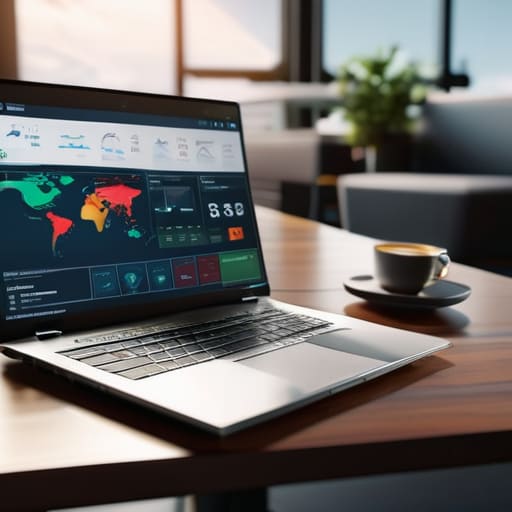
If you’re still manually booking flights on one tab and searching for hotels on another, you’re burning time you don’t have. I’ve seen too many operations teams drown in a sea of confirmation emails and scattered receipts. The fix isn’t “more organization”—it’s using integrated booking platforms that pull everything into a single source of truth. When your booking, itinerary, and data live in one place, you stop playing detective every time someone asks where a traveler is.
The real value here isn’t just convenience; it’s about building a system that actually works without constant babysitting. These platforms allow for automated travel expense reporting, which means you aren’t spending your Friday afternoons reconciling credit card statements. More importantly, they act as your first line of defense for travel policy enforcement tools, ensuring your team stays within budget without you having to personally approve every single $20 Uber ride. It’s about setting the guardrails once so you can stop micromanaging the small stuff and focus on actual operations.
Automated Travel Expense Reporting That Actually Works

If you’re still manually typing receipt amounts into a spreadsheet at 10 PM on a Sunday, you’re doing it wrong. I’ve seen enough messy logistics workflows to know that manual entry is where productivity goes to die. You need automated travel expense reporting that actually pulls data directly from your cards and receipts without you having to babysit it. The goal isn’t just to track spending; it’s to eliminate the friction between finishing a trip and getting reimbursed.
The real win here is how this feeds into corporate travel cost optimization. When your expenses flow automatically into a central system, you stop guessing where the budget is leaking. You can actually see patterns—like whether your team is overspending on last-minute bookings or ignoring preferred vendors—without digging through a mountain of PDFs. Stop treating expense reports like a secondary job. Set up a system that handles the data entry for you, so you can focus on the actual work you were hired to do.
5 Ways to Stop Losing Time to Travel Chaos
- Centralize your policy. If your team has to guess what’s “within budget,” they’re going to waste hours emailing you for approval. Put the rules directly into your booking tool so the system flags issues before they happen.
- Ditch the manual receipts. If I see one more person trying to track expenses via a messy spreadsheet, I’m going to lose it. Use a tool that pulls digital receipts automatically so you aren’t chasing people for paper scraps at the end of the month.
- Prioritize “frictionless” over “cheap.” A flight that saves $50 but has a six-hour layover is a net loss for your business. Focus on travel options that keep your team rested and productive, not just the lowest line item on a budget.
- Build a single source of truth for itineraries. Don’t let crucial flight updates get buried in a 50-thread email chain. Everyone needs one central dashboard where they can see their schedule, hotel info, and gate changes in real-time.
- Automate the boring stuff. If a task takes more than three clicks, it’s probably broken. Automate your calendar invites, your expense syncing, and your travel notifications so you can actually focus on the work you’re traveling for.
The Bottom Line: Stop Overcomplicating Your Travel Workflow
Stop treating travel booking like a side project; if your tools aren’t integrated, you’re just creating more manual work for yourself.
Automation isn’t just a buzzword—it’s the only way to stop the endless cycle of chasing receipts and fixing expense report errors.
Prioritize systems that reduce decision fatigue so you can focus on your actual job instead of wrestling with logistics.
The Real Cost of Friction
Most companies think they’re losing money on flight prices, but they’re actually losing it on the sheer amount of mental bandwidth employees burn trying to navigate broken booking systems and manual expense reports. If your travel process feels like a second job, your tech stack has already failed you.
Mateo Salcedo
Stop Overcomplicating Your Travel Workflow

Look, business travel shouldn’t feel like a second full-time job. We’ve covered how integrated booking platforms kill the back-and-forth friction and how automated expense reporting stops that soul-crushing pile of receipts from ruining your weekend. If you aren’t using tools that sync up and talk to each other, you aren’t being productive—you’re just busy. The goal isn’t to have the flashiest, most expensive tech stack in the industry; it’s to build a system where the logistics happen in the background so you can actually focus on the reason you’re traveling in the first place.
At the end of the day, every minute you spend wrestling with a clunky interface or manually entering data is a minute of mental energy you’ll never get back. Don’t let bad software turn your professional growth into a logistical nightmare. Strip away the bloat, audit your current tools, and invest in workflows that actually respect your time. Once you stop fighting your own systems, you’ll realize that true efficiency isn’t about doing more—it’s about removing the friction that keeps you from doing your best work. Get your setup right, and let the tech do the heavy lifting for once.
Frequently Asked Questions
How do I stop my team from booking random flights on their personal apps and then asking for reimbursements later?
The “book first, ask for forgiveness later” cycle is a massive drain on your mental bandwidth. To kill this, you need to move from a reimbursement model to a centralized booking system. If you give them a dedicated platform with a pre-set budget, they book within the system, and the company pays directly. It removes the friction of personal out-of-pocket costs and stops the endless back-and-forth of chasing receipts. Control the source, control the chaos.
Is it actually worth paying for a centralized platform, or can we just manage this through a shared spreadsheet and a Slack channel?
Look, I’ve been there. The “spreadsheet and Slack” method feels free and easy until you’re staring at fifty broken links and missing receipts at 11 PM. Spreadsheets don’t scale; they just become digital junk drawers that eat your time. If you have more than three people traveling, a centralized platform isn’t a luxury—it’s a sanity saver. Stop trading your mental energy for manual data entry. Pay for the tool so you can actually do your job.
How do I balance strict travel policies without making the booking process so difficult that my team starts hating their jobs?
The trick is to build guardrails, not roadblocks. If your policy is a 50-page PDF no one reads, they’ll just bypass it and book on Expedia anyway. Instead, bake the rules directly into the software. Set the tool to flag out-of-policy options during the search phase rather than punishing people after the fact. You want a system that guides them toward the right choice automatically, so they can book and get back to work.
